








Minerality in wine: yeast not terroir
Many now exclude a connection between the mineral ‘licked stones’ character in wine and the soil, they believe that it is the yeasts in wine that give flint aroma
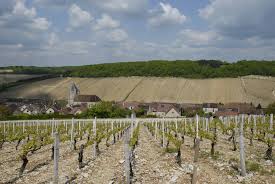
Chablis
Read for you by Donatella Cinelli Colombini
More and more research is being done as the fashion for mineral character increases especially in English speaking nations. All wineries would like to give a mineral touch to their wines, but until the cause in unknown it will be difficult to increase
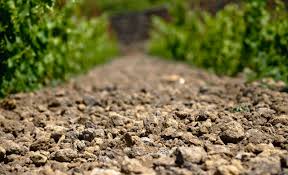
Minerality
Now everyone is sure that it does not come from the soil. Researchers now smile at the widespread idea that stones give taste and aroma to wines. <<With the odd and fairly irrelevant exceptions like sodium chloride, by and large, minerals have no taste.>> says Alex Maltman, geologist at the Aberystwyth University!

Barry Smith from London’s School of Advanced Study
What is most intriguing is that now it is thought that minerality might depend on the yeasts, or so at least think the majority. And this might be connected to the fact that most wineries are using once again indigenous yeasts. This is a really stimulating hypothesis. The study of the scientific opinions comes from an article in the New Scientist which the portal “The Drinks business” has developed and shared through the wine world
During fermentation yeast gives origin to 400 compound that are particularly relevant to the complexity of the wine, and, Barry Smith from the London’s School of Advanced Study explains <<“If a fermenting wine is starved of oxygen, then the yeasts produce sulphur. Just a bit and you get a smell like a struck match – people think it is flinty>>
Maybe this is the end of the dilemma: we can say goodbye to the Rhine valleys and the soil in Champagne and Burgundy…minerality in wine does not come from there!