





I AM DYSLEXIC
AS A CHILD, I WAS CONSIDERED A LITTLE SLOW, BUT THEN THE BENEFITS OF DYSLEXIA CAME TO THE FORE, TODAY I’M TELLING MY STORY HERE TO ENCOURAGE THOSE LIKE ME. DON’T BE AFRAID
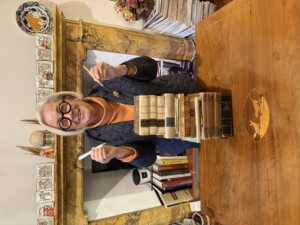
Donatella Cinelli Colombini spokesperson for dyslexia
By Donatella Cinelli Colombini, wineseacher, Casato Prime Donne Montalcino, Fattoria del Colle Trequanda
Do you know what dyslexia is? It’s a neurodiversity, meaning a different way of processing information, resulting in emotional, sensory, and cognitive perception in relation to the environment that differs from that of “normal” people.
In other words, I and other dyslexics don’t have a deficit, but we are different. My mother was dyslexic, I am, and so is my daughter Violante. Dyslexia is hereditary.
THE PROBLEMS CAUSED BY DYSLEXIA
When I was little, dyslexia wasn’t widely known in Italy, and I was considered a bit stupid because I read and wrote worse than my classmates. With my proverbial tenacity, I began to frantically read two books a week, and this practice helped me enormously in school.
In addition to the well-known difficulty distinguishing left from right, whereby d-b p-q e-a are the same letters for us, dyslexia has other drawbacks: where driving is on the left, we dyslexics become dangerous drivers. We don’t hear the sequence of sounds, so I only understand music after listening to a song dozens of times. But even the sounds within words and the sequence of words are difficult. This is why many dyslexics, and I among them, learn foreign languages with enormous difficulty.
But every cloud has a silver lining: we “neurodiverse” people think dynamically and possess great flexibility, which is invaluable in transforming problems into opportunities. We dyslexics have a broader vision that allows us to understand even highly complex systems and makes us “natural” managers. Creativity, lateral thinking, a vision for the bigger picture, and the ability to make unusual connections—these are the strengths of dyslexics.