








Emerging wine regions around the world
Okanagan, Tasmania, Corsica, England, Georgia, Michigan these are the emerging regions and the new frontiers for great wines
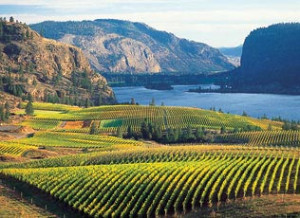
Emerging-wine-regions-Okanagan
By Donatella Cinelli Colombini, Orcia, Fattoria del Colle
In the wine world there are the great classics: Burgundy, Barolo, Brunello, Champagne …. and the novelties such as Oregon or Etna. Among the emerging regions some do get welcomed into the Olympus such as Bolgheri, Napa Valley and others go out of fashion. The authoritative US magazine “Wine Enthusiast” publishes an article by its editors that talks of the 6 emerging wine regions around the world.
Some are confirmations and others are surprises.
Okanagan, in Canada, is a confirmation, and in the last few years has climbed the world rating lists for wine tourism. It is a beautiful area in British Columbia, at 150 km from the border with the US.
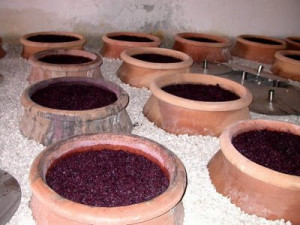
Georgia-wine-anphorae
During the past 25 years the wineries have gone from 17 to 270 and the grow Syrah, Cabernet, Merlot, Chardonnay, Pinot Noir, Gris and Blanc on soil very different in altitude and composition. Recently I have tasted a Riesling, clearly inspired, openly admitted by the producer, to the Rhine version of this wine. Clean, technically perfect, but still lacking the complex and intriguing minerality that is found in vineyards that are hundreds of years old. It is a question of time and the Canadians will get there, maybe even sooner than we expect.
Tasmania: Island in the coolest part of Australia.

Michigan-Old Mission Peninsula
There was a vineyard planted in 1823 of which today there is no trace, at the end of 19 century there was no production of wine today there are 200 acres of Chardonnay, Pinot Noir and Riesling.
Corsica, this emerging region was chosen by Roger Voss, and is the opposite too the others that are in cooler climates with respect to the usual wine regions. Corsica is instead in the Mediterranean, so right in the heart of the global warming. The autochthonous varieties are Vermentinu white grapes, and two red: Sciaccarello, and Nielluccio, the later is a relative of our Sangiovese. I once had a small vineyard of this because of a mistake made by the Carpentras nursery that sent me the plants. I have a terrible opinion about this variety and I have had all of my vines grafted. The wines from Corsica are consumed mostly locally and have a characteristic salty tang and aromatic herbs.
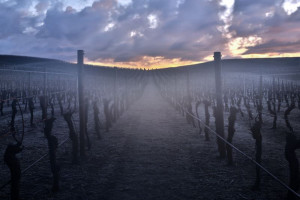
Tasmania
England: what seems, in 1986, and eccentric idea of Stuart and Sandy Moss (Nyetimber Estate), is now becoming the new bubbly European frontier :1.200 hectares of vineyard, 133 wineries and 5 million bottles per year. The most popular varieties are Chardonnay, Pinot Noir, and Pinot Meunier. The investments are ever growing, the last of which by Taittinger and Pommery. The key to success of the English bubbles is their freshness, they have a beautiful structure. I have recently tasted an excellent rosé by the Bride Valley Vineyard.
Georgia: the oldest wine region in the world, 8.000 years of history. This is the place where terracotta amphorae and the orange wines come from. The local variety is Saperavi which makes medium sweet and fortified wines, while the white grapes most used are Rkatsiteli, from which come wines with peach and pineapple aromas.
Michigan: a production that started in 1930 in times of prohibition in the US, and has developed into 121 wineries. More than half of the production comes from the Leelanau Peninsula and from the Old Mission Peninsula AVA. The vineyards are planted mostly around the Michigan Lake at around 45° of latitude, so more or less the same as Bordeaux and the Langhe but in truth it is much colder, and so it seems more apt for making white wines such as Riesling and Gewurztraminer.