








EXTRA VIRGIN OLIVE OIL: TASTING AND STORAGE
WHICH ARE THE FLAVOURS AND TYPES OF THE BEST EXTRA VIRGIN OLIVE OIL AND HOW TO TASTE IT. THE OLIVE GROVES AND OIL AT FATTORIA DEL COLLE IN TREQUANDA IN TUSCANY
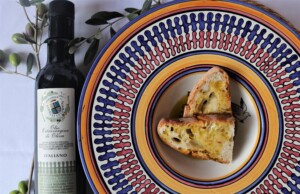
olio extravergine di olia Fattoria del Colle Trequanda
by Alessia Bianchi, Fattoria del Colle, Casato Prime Donne
Visual analysis of extra virgin olive oil is considered of little relevance, which is why professional tasting glasses are deliberately coloured to mask visual characteristics that could influence the taster’s judgment. The shades of oil can range from yellow to intense green, but are linked to the variety of olive or the degree of ripeness. On the other hand the olfactory analysis is of considerable importance for the final judgement. The aroma perceived by inhaling, after having warmed the glass between the palms of the hands to bring it to the optimal temperature of 28°C, immediately reveals whether the aromas are pleasant or whether there are unpleasant sensations linked to defects.
A quality extra virgin olive oil must have a fresh and vegetal aroma, which can recall hints of artichoke, almond or tomato. The intense aroma is a distinctive characteristic of high quality oils and represents one of the main differences between a common extra virgin olive oil and an excellent product.