





Gamberorosso Tag

FROM WINE BY THE GLASS TO OXIDIZED WINE

CUSTOMERS ARE INCREASINGLY ORDERING WINE BY THE GLASS INSTEAD OF BOTTLES, BUT WHAT THEY GET IN THEIR GLASS IS SOMETIMES OXIDIZED. HOW TO UNDERSTAND IT AND WHAT TO DO
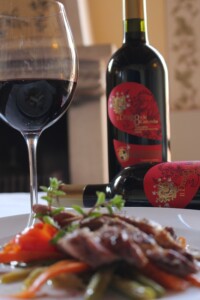
 

Vino al calice e ossidazione Tagliata di cinta senese - Fattoria del Colle Trequanda Toscana

>Wine by the glass and oxidized wine Tagliata di cinta senese – Fattoria del Colle Trequanda Toscana

By Donatella Cinelli Colombini, winedestination, Fattoria del Colle Trequanda, Casato Prime Donne Montalcino


I order wine by the glass, especially if it’s an opportunity to try new things and share a glass with friends. However, restaurants often aren’t equipped for this type of service. They don’t have nitrogen systems or even oxygen extraction pumps. You might see bottles served by the glass displayed on the counter, corked, with the original cork, so besides being too warm, they’re almost certainly oxidized.


WINE BY THE GLASS IS ATTRACTIVE, BUT YOU NEED TO KNOW HOW TO CHOOSE AND STORE IT

At a certain point, it’s worth making a sacrifice and ordering a whole bottle, hoping the manager will have a bag to take it home and finish it at leisure.

And yet, wine by the glass is on the rise. Many, like Andrea Gori, believe it is the best way to stem the decline in consumption. And, all things considered, it’s also very profitable for restaurants and wine shops. For still wines, a bottle is good for five glasses, and by the third glass, the manager has already pocketed the full retail price. Obviously, this is possible if the service is intelligent, offering the right wines: established brands alongside authentic rarities waiting to be discovered, but above all if the storage equipment is adequate.
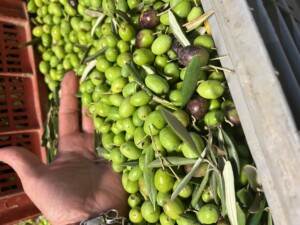
EXTRAVIRGIN OLIVE OIL: TRUE AND IMPORTED

ONLY 28% OF THE EXTRA VIRGIN OIL SOLD IN ITALY IS PRODUCED IN OUR COUNTRY. OUT OF 900 THOUSAND TONS OF CONSUMPTION AND EXPORT OF EVO OIL, 600 THOUSAND ARE IMPORTED


Solo il 28% dell'extravergine consumato o esportato dall'Italia è veramente italiano

Only 28% of EVO oil consumed o exported from Italy is really Italian

By Donatella Cinelli Colombini, winedestination, Casato Prime Donne


The data on EVO oil are impressive and reveal a bleak panorama. On one side, the Apulian olive groves destroyed by Xylella and the hilly ones abandoned due to lack of manpower. On the other side, a market unwilling to pay remunerative prices for Italian extra virgin olive oil made to the highest standards while the shop shelves are full of low-priced extra virgin olive oil from intensive olive groves in foreign countries.

The RTO Telematic Oil Registers show a stock of 190 thousand tons consisting of 71% EVO oil which is increasingly less Italian.

The Italian EVO oil production crisis does not seem to be stopping: plant diseases, adverse climate, abandonment of olive groves… the reasons are numerous but the results are devastating.


OUR NATIONAL PRODUCTION OF EVO OIL IS 28% OF WHAT WE NEED

Even the Italian olive harvest last autumn marked a drop of 90 thousand tons compared to the previous year. The production deficit is increasingly marked: we produce barely 240 thousand tons, that is 28% of what we need. Every year we need 850-900 thousand tons of which 550 for domestic consumption and 350 thousand tons for export. For this reason, agri-food industrialists source from Tunisia, Spain, Greece and other countries. Puglia in the South and Umbria in the Center are the nerve centres of storage.

                                                                       
Cinelli Colombini
Privacy Overview

This website uses cookies so that we can provide you with the best user experience possible. Cookie information is stored in your browser and performs functions such as recognising you when you return to our website and helping our team to understand which sections of the website you find most interesting and useful.