








WHAT ARE “LOW-NAT” WINES AND WHY I LIKE THEM
I NOT ONLY ENJOY WINES WITH LOW NATURAL ALCOHOL CONTENT, BUT I ALREADY MAKE ONE: THE ROSA DI TETTO IGT ROSE’. LOW -NAT WINES ARE LESS PROCESSED AND TASTE BETTER
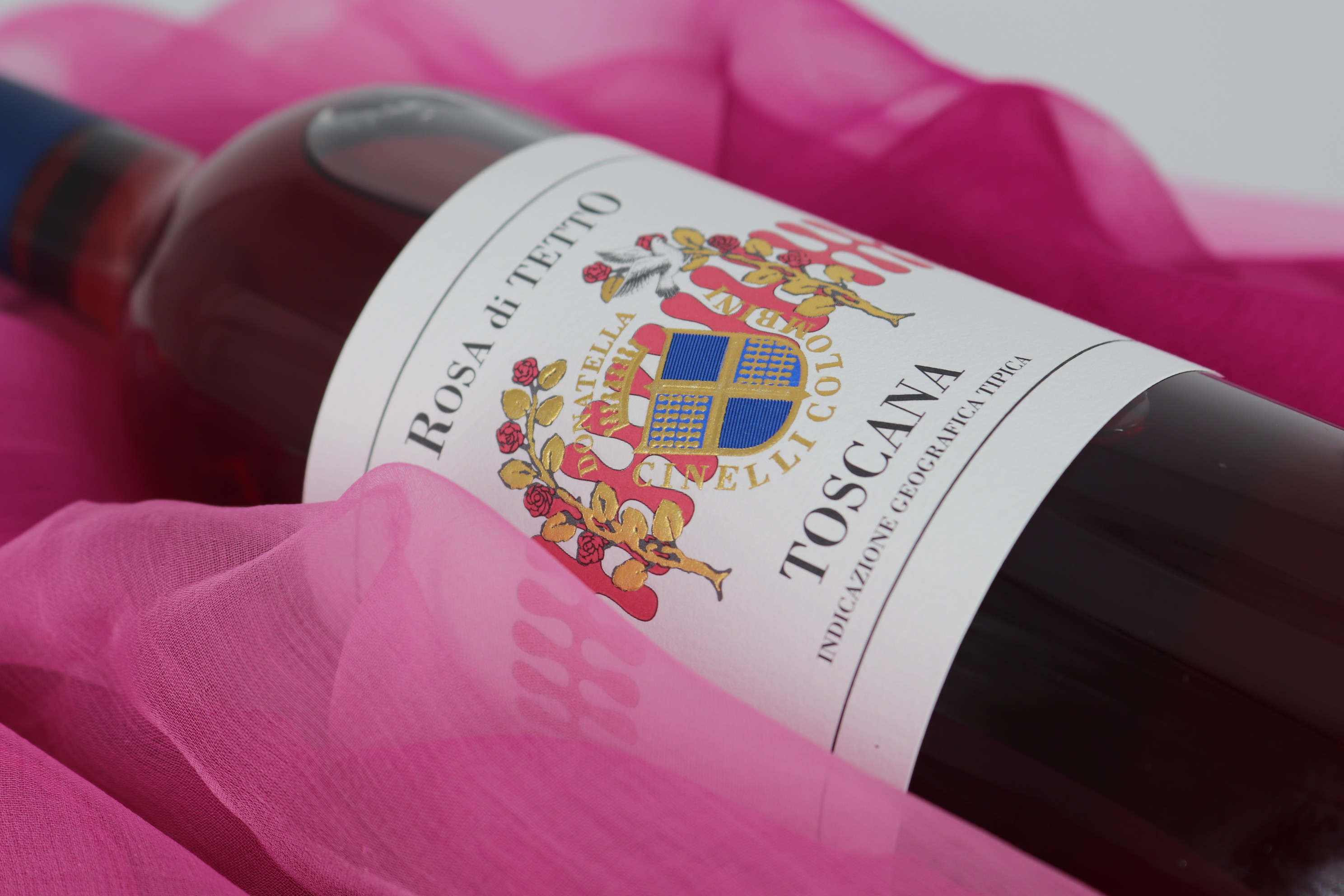
Low Nat Rosa di Tetto, IGT Toscana di Sangiovese Fattoria del Colle Donatella Cinelli Colombini
by Donatella Cinelli Colombini, winedestination, Casato Prime Donne Montalcino, Fattoria del Colle Trequanda
A wonderful article by Gianluca Atzeni in “Trebicchieri” explains the reason for the great enthusiasm surrounding “LOW-NAT” wines—a category with an alcohol content similar to beer, yet which is unequivocally wine. This enthusiasm has led to amendments to the production regulations for appellations such as Orvieto, Pinot Grigio delle Venezie, Prosecco, and Garda.
LOW-NAT WINES: A WINNING FORMULA FOR EVERYONE
The fact is that temperatures are rising and consumer needs are shifting. There is a decline in overall consumption—including daily home consumption—alongside an increase in social drinking away from home. Coupled with this is a growing focus on health and waistlines.
Ultimately, high-quality wines—firmly rooted in tradition and their region of origin, yet fresher, more drinkable, and lower in alcohol—are emerging as the winning solution. They offer an alternative for health-conscious consumers who want to avoid weight gain but previously looked to “no/low-alcohol” drinks—products often made from low-quality wine that undergoes dealcoholizing and heavy processing.
Consortia such as Pinot Grigio DOC Delle Venezie, Prosecco DOC, Garda, and Orvieto are leading the move toward naturally lower-alcohol wines, emphasizing freshness, high quality, and sustainable production. After all, wellness and moderation are powerful trends among consumers.
ORVIETO AIMS FOR 10 %NATURAL ALCOHOL, WHILE GARDA TARGETS 9%.
Riccardo Cotarella—the renowned winemaker heading the Orvieto scientific committee—is, as always, the most decisive, aiming for 10% alcohol in wines that remain extremely pleasant and fresh. This innovation begins in the vineyard and is built upon solid technical and scientific foundations. It is also worth noting that Orvieto possesses a mineral character and a savoury quality that support this approach.
In the Garda region, the target is 9% alcohol. This appellation primarily utilizes the native Garganega grape variety.
PINOT GRIGIO DELLE VENEZIE AND PROSECCO AIM FOR 8–9% ALCOHOL
The Pinot Grigio delle Venezie Consortium is rewriting its production specifications to lower the wine’s alcohol content to 8–9%.
Prosecco is also considering this alcohol level for a “light” version positioned between “brut” and “dry”; it will be named “Unica.”
PARTIAL DEALCOHOLIZATION AND ALCOHOL-CONSUMING YEASTS
So far, we have discussed wines that are naturally lower in alcohol, but alcohol reduction can also be achieved through a process known as reverse osmosis—or dealcoholizing. According to experts on Piedmontese wines who monitored trials involving Cortese, Barbera, and Brachetto, limiting the process to removing just a couple of degrees of alcohol does not harm the wine; nevertheless, it remains an invasive procedure.
Another initiative comes from the University of Perugia, which is selecting indigenous yeast strains capable of keeping alcohol levels in check. A similar project, “Immonda”, is being promoted by Assovini Sicilia for Nero d’Avola wines. Meanwhile, the University of Milan has experimented with yeasts capable of consuming two degrees of alcohol.
LOW -ALCOHOL WINES ARE POPPING UP EVERYWHERE
Low-alcohol wines—ranging from 8.5% to 11.5% ABV—are being produced across Italy; among them is my “Rosa di Tetto“ IGT Toscana Rosato, with an alcohol content of just over 11%. It is a Sangiovese-based wine that harkens back to the old Tuscan tradition of “vin ruspo”—vibrant in colour and rich in flavour, yet fresh and easy to drink. Designed to be enjoyed chilled, it pairs beautifully with appetizers, cured meats, fresh cheeses, soups, white meats, or fish.