








HOW THE FINE WINES MARKET IS CHANGING
IS A GENERATIONAL CHANGE ENOUGH TO EXPLAIN THE DECLINE IN INTEREST IN INVESTMENT WINES? WITH THE END OF THE SPECULATIVE BUBBLE, IS IT NECESSARY TO GO BACK TO DRINKING FINE WINES?

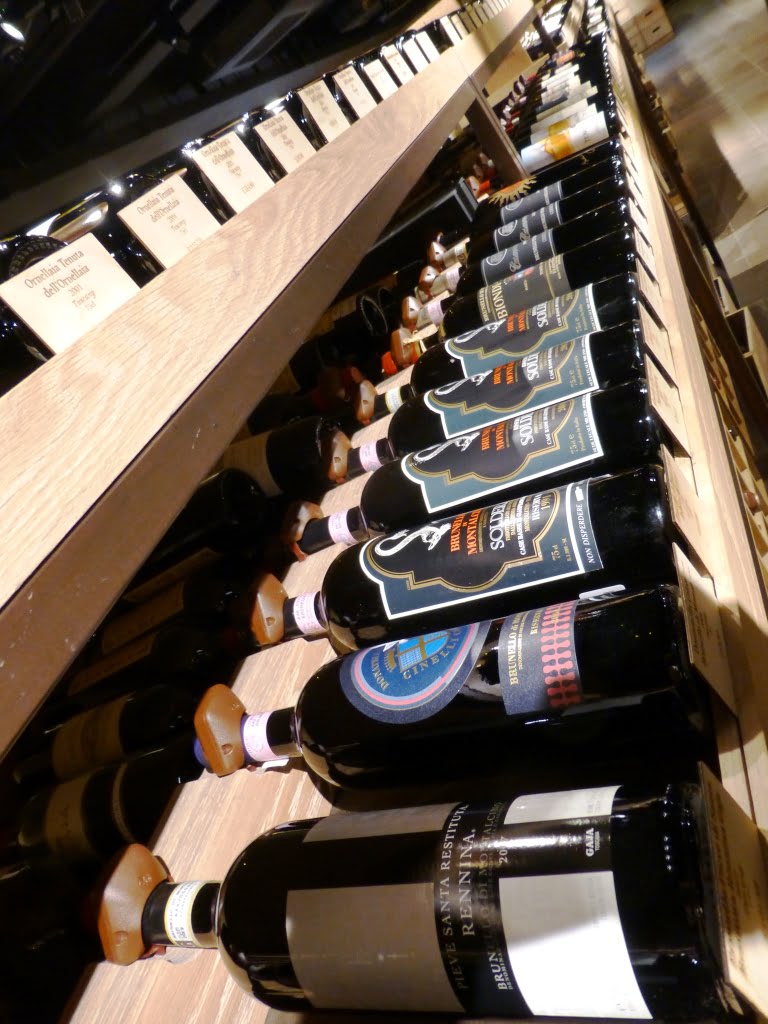
Hedonism London cult store for fine wines
By Donatella Cinelli Colombini, winedestination, Fattoria del Colle Trequanda, Casato Prime Donne Montalcino
Fine wines are investment wines, managed like stocks, diamonds, or stamps. They’re wines that aren’t drunk but rather stored in safes to be resold at a higher price. This market is currently experiencing significant difficulties, especially for French wines, which traditionally dominate the market.
THE DRINKS BUSINESS IN SEARCH OF THE DARK EVIL OF FINE WINES
The Drinks Business interviewed some of the leading experts in this sector, first and foremost Liv-ex, a British portal similar to Nasdaq. The latter provides real-time charts, technical analysis, components, and quotes for stocks, while Liv.ex does the same for fine wines. I quote Max Lalondrelle’s exact words: “There’s something fundamentally wrong with the way we sell fine wines right now.”
What is this mistake? Those who buy a wine on reservation and then see it arrive on the market at a lower price get angry and realize that paying in advance isn’t worth it. This is why the speculative system has broken down and investments have fallen.
END OF THE SPECULATIVE BUBBLE, GENERATIONAL CHANGE, AND FEWER RICH WILLING TO SPEND SO MUCH
The point is that many investors have a good number of bottles of fine wines in their cellars—safes while the number of investors willing to buy them has declined.
It’s also worth considering that the new generations buy and consume differently from their parents or grandparents. In this regard, the opinion of Evgeny Chichvarkin, founder and owner of Hedonism Wines, is noteworthy. His is a dream wine shop and restaurant with entire collections of Château d’Yquem, Château Margaux, Château Lafite… surrounded by contemporary works of art. “The biggest impact we have in terms of sales is the high-end of our clientele, who maybe spent £100,000 on wine [before] and suddenly they’re only spending £50,000.” That is, even the very wealthy wine lovers have moved out of the UK for tax reasons or are starting to cut back on spending.
In practice, after the great crisis of 2008, the euphoria and desire to spend has not returned as before.
HOW TO BRING FINE WINES BACK INTO FASHION?
The hope that fine wine merchants and digital platforms will stop selling off past vintages seems naive to me. Sellers charge the highest price the market is willing to pay, so if demand is sluggish, the price drops.
This also applies to wineries and large merchants who must submit sales reports every six months or annually, so as those deadlines approach, they sell off their stock to meet their projected revenues.
Ultimately, the best way to address the problem seems to me to be the one suggested by Matthieu Jullien, CEO of LVMH Vins d’Exception: “open the bottles and offer incredible hospitality.” In other words, let people taste the wines and show where they come from, because there’s still a strong appetite for bargains in the market, just as there are many wine lovers who need to be encouraged to drink them and not just store them in the safe.
Liv-ex’s Lalondrelle also highlighted the great, yet untapped, potential of women as customers and collectors. And this, too, in my opinion, is a valid consideration, because women are improving their earnings and their spending power, but I doubt they’ll speculate on wine; they’re much more likely to drink it.