




Easter in agriturismo with family and dogs
Easter in agriturismo with family and dogs
Spring in the heart and in nature, Easter is the first bank holiday to spend enjoying family, food and fine wines

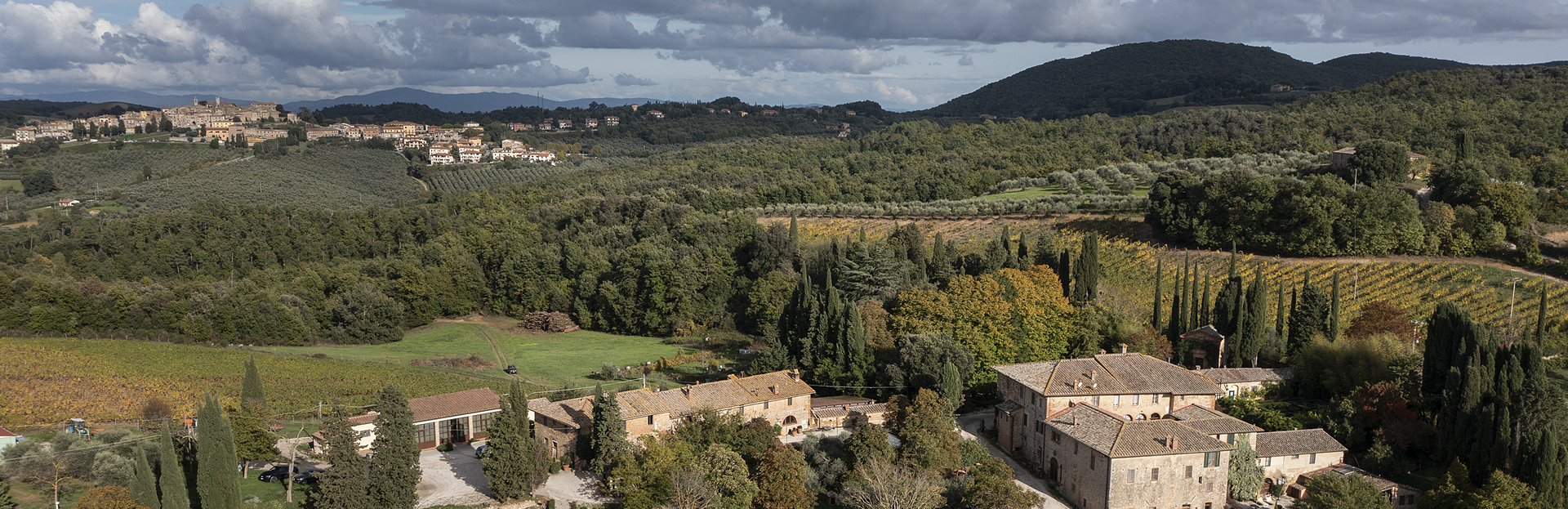
Easter-agriturismo-in-Tuscany-Fattoria-del-Colle-spring-Felix-in the-swimming pool-park.
Where better than in Tuscany, in the most beautiful countryside in the world? A land where the harmony of immense panoramas has a beneficial effect and is in fact called “landscape therapy”, where there are places of great spirituality such as the Monte Oliveto Maggiore Abbey (12 km) and Assisi that is an hour away.
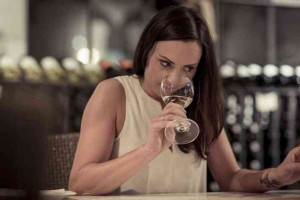
To these places that sanctify the Easter there is an addition of fun proposals for gluttons connected to the Brunello and Orcia Doc wineries belonging to Donatella Cinelli Colombini, themed dinners and a cookery lesson also apt for kids, guided tours and wellness.
There is time for the sacred and profane in a large and traditional place like Fattoria del Colle. A place that has in authenticity its major attraction. To stay in one of the farmhouses,now for agriturismo, transformed into rooms, apartments or villas, where part of the furniture is antique, gives the sensation of living in a home that once belonged to our Tuscan grandparents. The freedom felt is due to the large open spaces that are uncontaminated (the vines are organically grown) where you can sit out in the sun, and allow the kids and dogs to run around, is just what is needed to get over the city stress.

Easter-Fattoria-del-Colle – Agriturismo-Tuscany
Tradition and authenticity at all levels: the housewives teach adults and kids how to make pinci, the typical Sienese handmade pasta. The tour of Casato Prime Donne winery in Montalcino takes place with an itinerant tasting that combines music and fine wines, history and modern folklore. A mixture that can charm event the most expert of wine lovers and amuse the children. The Brunello tasted has received International prizes but our way of telling you about them is fascinating like a novel.



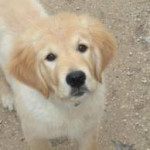

 He arrived at Fattoria del Colle when he was two months old straight after the death of my beloved collie Black. I used to cry while driving and couldn’t sleep at night and I was able to get over the nostalgia for my previous dog only thanks to the arrival of the yellow puppy. When he was small he was soft and fluffy but also smelly, as he had the habit of stinky flatulence, where everyone had to race away.

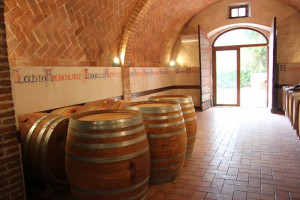
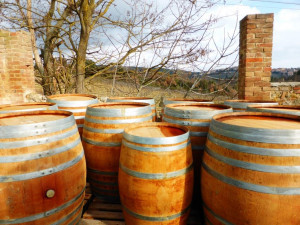 where he used to teach, at the end of January 2001, and I gave him a tasting of my most recent harvest, and was thorough told off because I had not yet but it into barrel.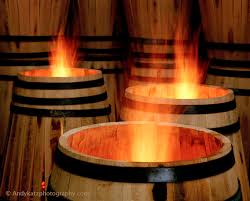


 By
By